France Detains Tanker GRINCH Captain in Sanctions Probe
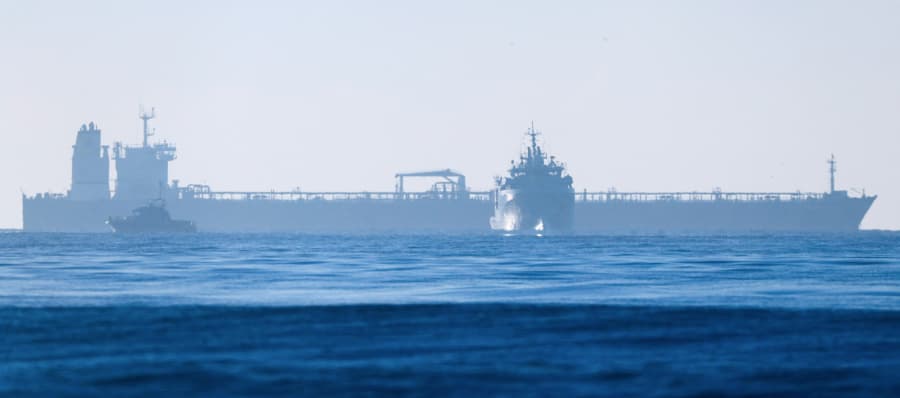
French authorities have detained the captain of the oil tanker GRINCH as part of an investigation into the vessel’s flag status and its potential involvement in the transportation of Russian oil in circumvention of international sanctions. The tanker was intercepted by the French Navy in the Mediterranean Sea and escorted to the port of Marseille-Fos for further inspection.
The case highlights growing European scrutiny of maritime logistics linked to sanctioned oil exports and the expanding role of so-called shadow fleets operating outside traditional regulatory frameworks.
Interception of Oil Tanker GRINCH in the Mediterranean Sea
On 25 January 2026, French naval forces stopped the tanker GRINCH during its passage through the Mediterranean Sea. According to investigators, the vessel had departed from the Russian port of Murmansk earlier in January and was sailing under the flag of the Comoros Islands.
French prosecutors initiated a preliminary investigation after identifying inconsistencies related to the vessel’s registration and flag documentation. The tanker was subsequently directed to Marseille-Fos, one of France’s largest oil and cargo port complexes, located in Fos-sur-Mer near Martigues.
GRINCH Captain Detained as Crew Remains Onboard
The ship’s captain, a 58-year-old Indian national, was detained for questioning by French authorities. The detention forms part of a procedural investigation aimed at verifying compliance with international maritime law, rather than a formal criminal charge at this stage.
Other crew members, who are also Indian nationals, remain onboard the vessel while inspections and document checks continue. Authorities are reviewing the authenticity of the ship’s flag registration, the vessel’s navigational and cargo documentation, insurance coverage, ownership structure, and overall compliance with international shipping regulations and sanctions requirements.
French prosecutors have emphasized that the investigation remains ongoing and that no final conclusions have yet been reached.
Questions Over Comoros Flag Registration
The tanker GRINCH was operating under the flag of the Comoros Islands, a jurisdiction commonly classified as a flag of convenience. Such flags are widely used in global shipping but have increasingly attracted regulatory attention due to concerns over transparency, vessel ownership, and enforcement standards.
Investigators are assessing whether the vessel was legally entitled to sail under the Comoros flag or whether the registration may have been used to obscure the tanker’s operational history, ownership structure, or trading routes.
Shadow Fleet Oil Tankers and Sanctions Circumvention
Industry analysts link the case to the broader phenomenon of the shadow fleet of oil tankers, a network of often aging vessels operating outside mainstream Western shipping, insurance, and classification systems.
These tankers are commonly associated with frequent changes of flag and ownership, opaque corporate structures, alternative insurance arrangements, limited oversight by Western maritime authorities, and trading routes connected to sanctioned oil exports. Following the introduction of extensive sanctions against Russia, such fleets have played a significant role in maintaining oil exports to non-Western markets, particularly across Asia.
EU Oil Sanctions and Global Trade Adaptation
The European Union has adopted 19 sanctions packages targeting Russia since the start of the conflict in Ukraine. These measures include restrictions on oil exports, price caps, insurance services, and maritime transport linked to Russian crude.
Despite these restrictions, global oil markets have adapted. Russia continues exporting millions of barrels of oil to countries such as India and China, often at discounted prices, offsetting higher logistical and operational risks through alternative shipping and insurance arrangements.
France’s Enforcement Role and Previous Tanker Detentions
France has become increasingly active in monitoring tanker traffic in the Mediterranean Sea. In previous incidents, French authorities have detained tankers suspected of sanctions violations or documentation irregularities, although some vessels were later released after inspections confirmed compliance with applicable regulations.
The GRINCH case follows this pattern and reflects a broader European effort to tighten enforcement mechanisms without prematurely assigning liability.
Potential Outcomes of the GRINCH Investigation
Depending on the findings of the ongoing review, French authorities may decide to release the vessel if no violations are confirmed, impose administrative penalties or fines, refer the case to international maritime or sanctions bodies, or expand scrutiny to the vessel’s owner, operator, or chartering entities. Any decision will be based on document verification and legal assessments conducted under international maritime law.
Conclusion
The detention of the GRINCH captain illustrates the increasing complexity of maritime enforcement in an era of sanctions-driven oil trade realignment. As European authorities intensify oversight of tanker operations, vessels operating under flags of convenience or opaque ownership structures are likely to face heightened regulatory scrutiny.
The investigation remains ongoing, and further developments are expected once French authorities complete their review.