A Powerful Flow of Oil Tankers from Russia, China, and India Heads Toward Venezuela Amid U.S. Pressure
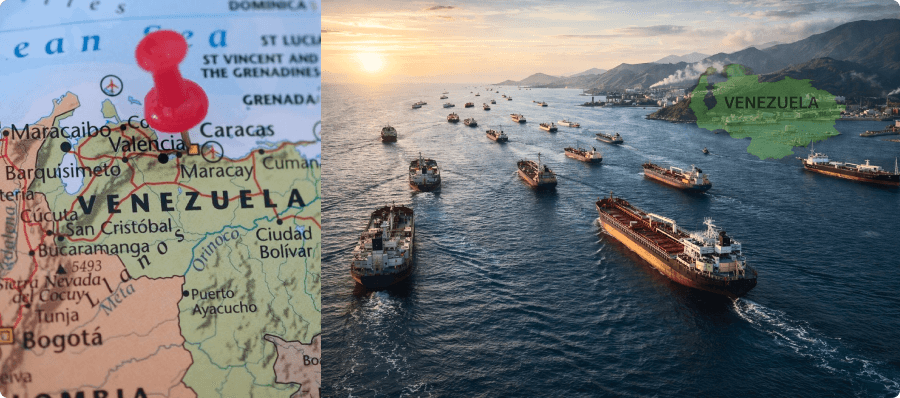
Against the backdrop of sanctions pressure from the United States, increased activity of oil tankers heading toward Venezuela has been recorded in the Caribbean basin. According to data from open maritime tracking systems, oil vessels associated with companies from Russia, China, India, as well as countries in Latin America and Asia, are moving toward the Venezuelan coastline.
Previously, representatives of the U.S. political establishment, including Senator Marco Rubio, spoke about the need to strengthen sanctions against Venezuela and restrict exports of Venezuelan crude oil. These statements emphasized intentions to increase pressure on logistical and financial supply chains involved in maritime oil transportation, including through the use of secondary sanctions.
At the same time, no official declaration of a naval blockade or the introduction of military measures affecting international shipping in the region has been made. Experts note that the current restrictions are implemented strictly within the framework of sanctions policy and do not imply direct interference with the movement of commercial or oil vessels in international waters.
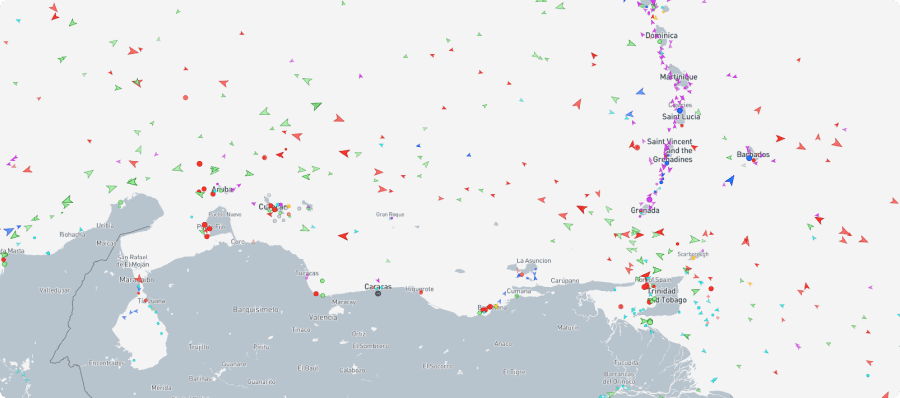
According to information from MarineTraffic, sustained tanker traffic continues along Venezuela’s eastern coastline, including routes near key oil terminals and anchorage areas. AIS (Automatic Identification System) data, however, only reflects vessel movement and does not confirm actual oil loading operations or the execution of commercial transactions.
Analysts point out that the continued presence of tanker fleets and ongoing oil shipments near Venezuela’s shores raises questions about the effectiveness of unilateral sanctions without broader international coordination. Within the context of the global energy market, Venezuelan oil exports continue to adapt to restrictions through alternative routes and new commercial partnerships.
Meanwhile, scenarios involving the use of force — including potential inspections or detentions of foreign oil tankers — have not appeared in official U.S. statements. Such actions would be viewed as a serious escalation and would go beyond the scope of existing economic and sanctions mechanisms.
Developments surrounding Venezuelan oil supplies further highlight the growing importance of transparency and reliable data in international shipping and the maritime industry. Amid sanctions, geopolitical pressure, and shifting logistics routes, market participants increasingly rely on digital platforms to assess risks, verify partners, and monitor sector activity.
The professional maritime community, including users of the Astra Crew platform, is increasingly discussing the impact of these processes on the maritime labor market, seafarer employment, shipping company operations, and the resilience of global supply chains.
🔗 Read more news and analysis on the maritime industry, shipping, and global logistics in the news section of the Astra Crew platform: