Types of Yachts: A Guide for Seafarers and Yacht Crew
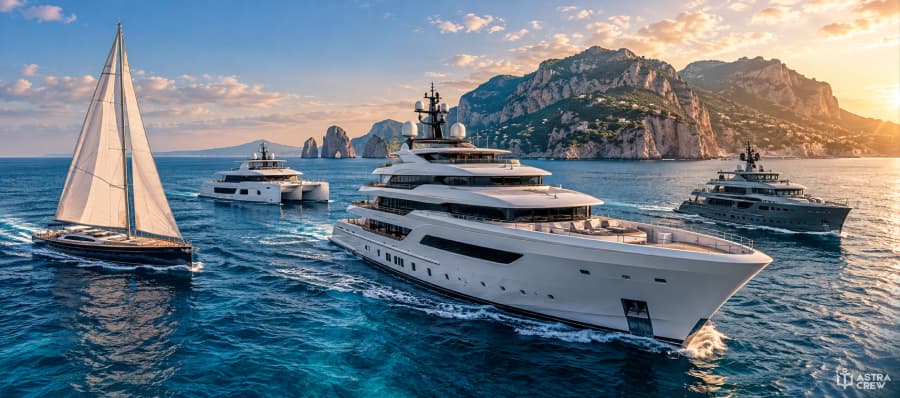
The word yacht covers a much wider range of vessels than it may first appear. Yachts differ in propulsion, hull configuration, size, operating profile and ownership model. A sailing yacht and an explorer yacht offer completely different experiences for guests and require different skills from the yacht crew.
Understanding yacht types is useful for anyone considering yacht crew jobs, maritime jobs or a long-term career at sea. The vessel category influences daily duties, crew structure, required certificates, cruising areas and the rhythm of work. This guide explains the main types of yachts and what seafarers should know before applying for yacht vacancies. Seafarer jobs and jobs at sea in the yacht sector can differ considerably from equivalent positions on merchant vessels.
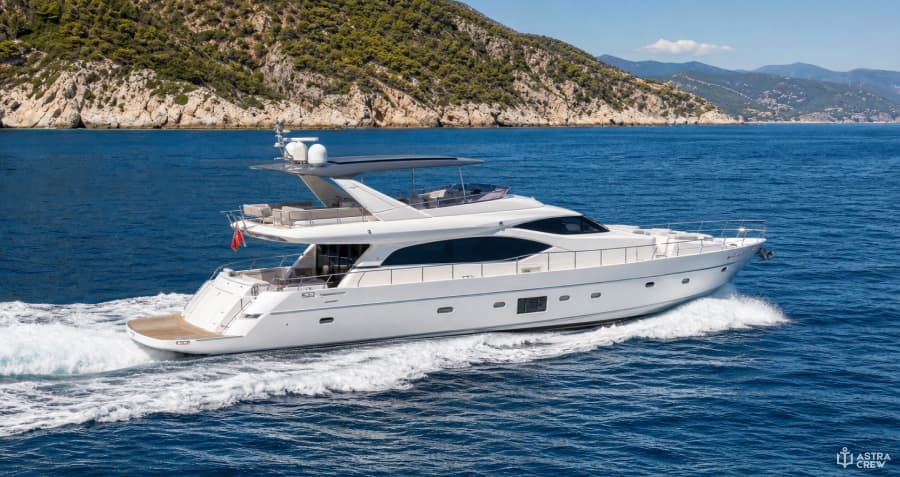
Motor Yacht
A motor yacht uses engines as its primary means of propulsion. It is designed for speed, comfort and easy movement between destinations, with interior volume often prioritized over sailing performance. Motor yachts range from compact owner-operated boats to large vessels with several decks and a professional crew.
Motor yacht jobs may include captain, deckhand, engineer, steward or stewardess and chef. Engineers are especially important because propulsion, generators, stabilizers, air-conditioning and hotel systems operate continuously. Deck and interior crew usually work closely during guest trips and port calls.
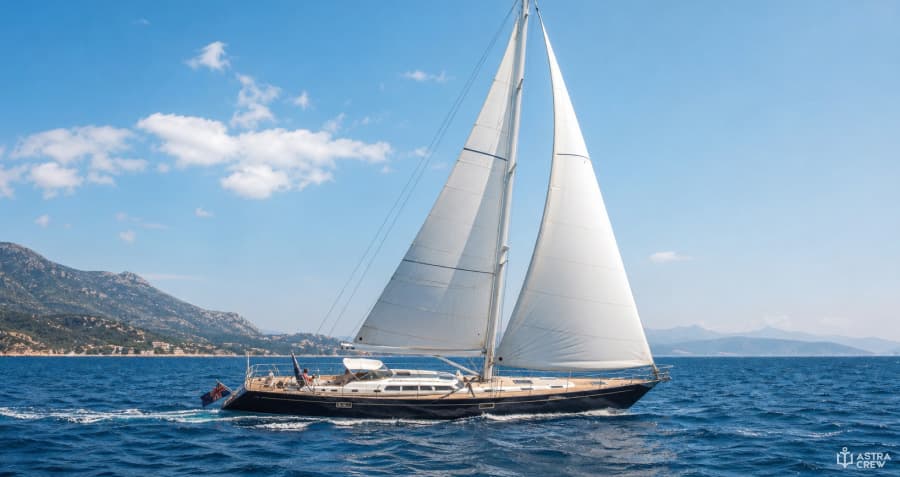
Sailing Yacht
A sailing yacht relies mainly on sails and wind, although most modern vessels also have an auxiliary engine. Its design focuses on sailing efficiency, balance and handling. Life on board can feel more connected to seamanship, weather and the physical operation of the vessel.
Sailing yacht crew need practical knowledge of sails, rigging, ropes and deck safety. Even interior crew benefit from understanding sailing routines because the vessel may heel and deck operations can change quickly. Previous sailing experience can be a major advantage when applying for sailing yacht jobs.
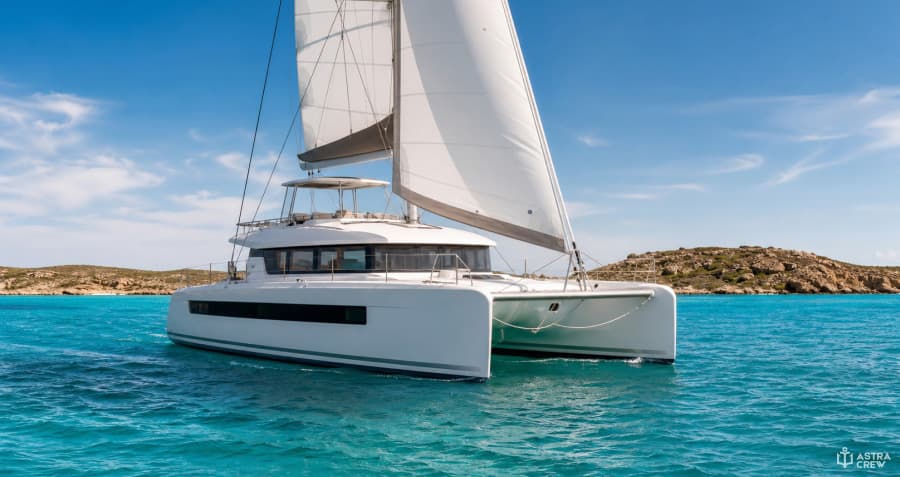
Catamaran
A catamaran has two parallel hulls connected by a central structure. This configuration provides a wide deck, generous living space and good stability at anchor. Sailing and motor catamarans are popular for private cruising and yacht charter operations, especially in warm island destinations.
Catamaran crew should understand the vessel's wide beam, shallow draft and twin-engine layout. On charter catamarans, smaller teams often combine deck, interior and guest-service responsibilities. Versatility and strong communication are therefore valuable qualities.
Trimaran
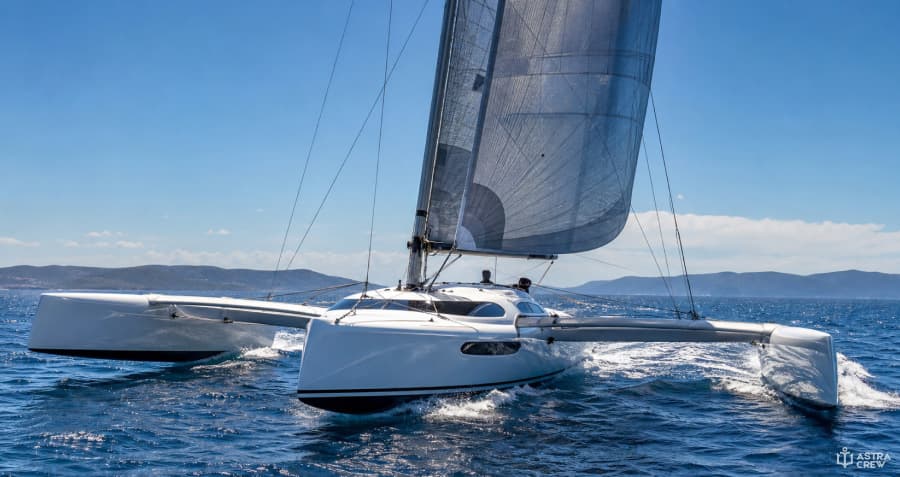
A trimaran has one main hull and two smaller outer hulls. The design can provide high speed, stability and a relatively light structure. Trimarans are less common than catamarans, but they are used for performance sailing, long-distance cruising and innovative luxury projects.
Crew members may need specialized multihull and sailing experience. Deck work, docking and sail handling can differ from conventional monohull yachts, while the unusual layout requires careful familiarization before operations begin.
Superyacht
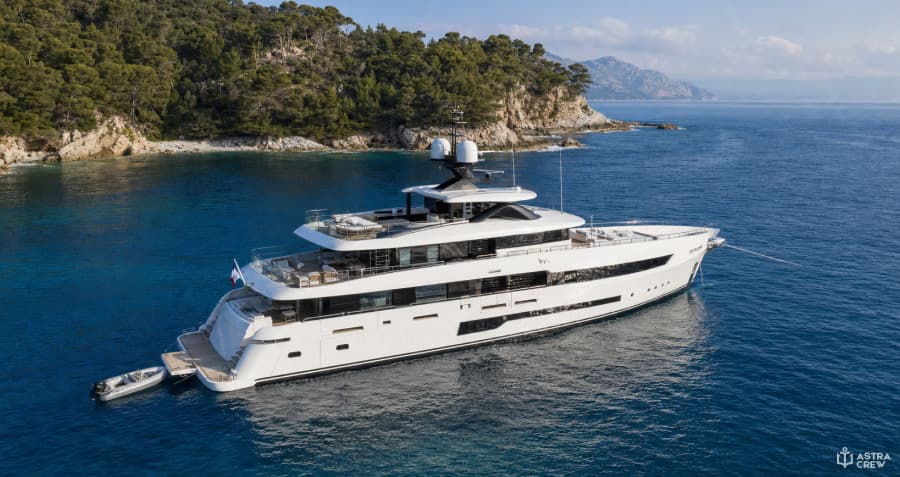
Superyacht is a widely used industry term for a large, professionally crewed luxury yacht, commonly starting around 24 metres in length. A superyacht may be powered by engines or sails and usually offers extensive guest areas, water toys and high standards of hospitality.
Superyacht jobs are divided between deck, engineering, interior and galley departments. Larger crews create clearer career paths but also require discipline, teamwork and detailed procedures. Candidates are commonly expected to hold STCW certificates, a valid medical certificate and position-specific qualifications.
Megayacht
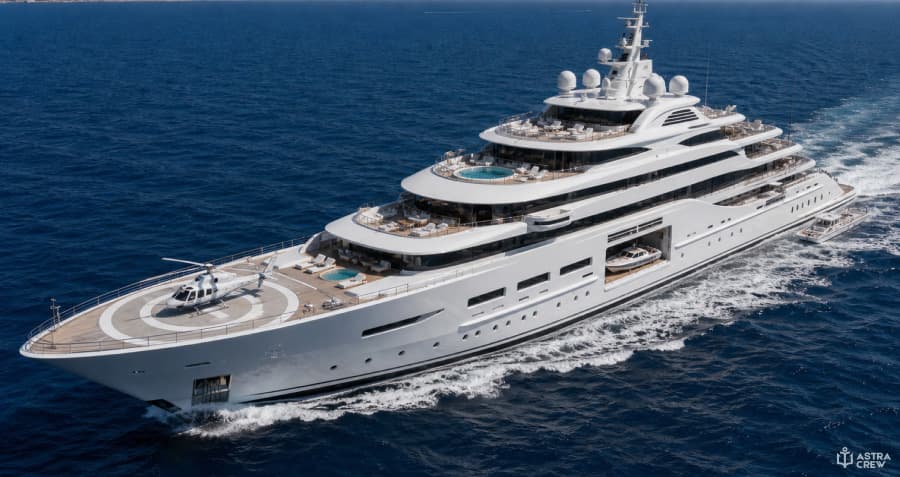
Megayacht generally describes an exceptionally large luxury yacht, often above 60 metres, although the term has no single universal legal definition. These vessels can include helipads, pools, cinemas, medical facilities, tenders and highly complex technical systems.
A megayacht operates more like a small floating hotel and technical facility. Crew structures are larger, departments are more specialized and recruitment standards can be demanding. Experience on comparable vessels, strong references and professional English are particularly important for megayacht vacancies.
Explorer Yacht
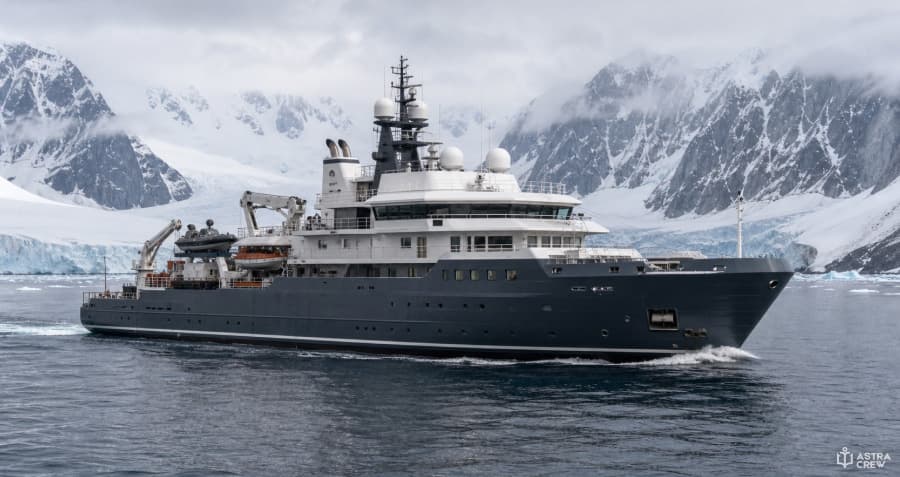
An explorer yacht, also called an expedition yacht, is designed for long-range cruising and operation in remote areas. It may have reinforced construction, extensive fuel and storage capacity, powerful tenders, scientific equipment and systems suitable for challenging climates.
Explorer yacht crew must be ready for longer passages and fewer shore-based services. Engineers, deck officers and medical or expedition specialists may carry additional responsibility. Adaptability, safety awareness and experience in remote navigation are highly valued.
Charter Yacht
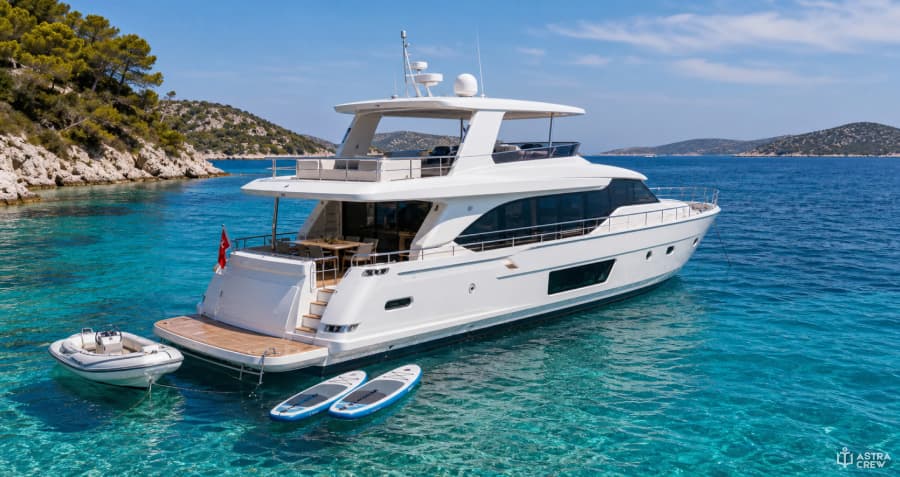
A charter yacht is offered to paying guests for an agreed period. It can be a motor yacht, sailing yacht or catamaran; the defining feature is its commercial guest operation rather than its hull or propulsion. Guest expectations and turnaround schedules make charter work fast-paced.
Charter yacht crew focus on service, presentation and flexibility. Interior teams prepare cabins and events, chefs adapt menus to guest preferences, and deck crews manage tenders and water activities. Strong tips may be possible, but workload and service standards are often intensive.
Private Yacht
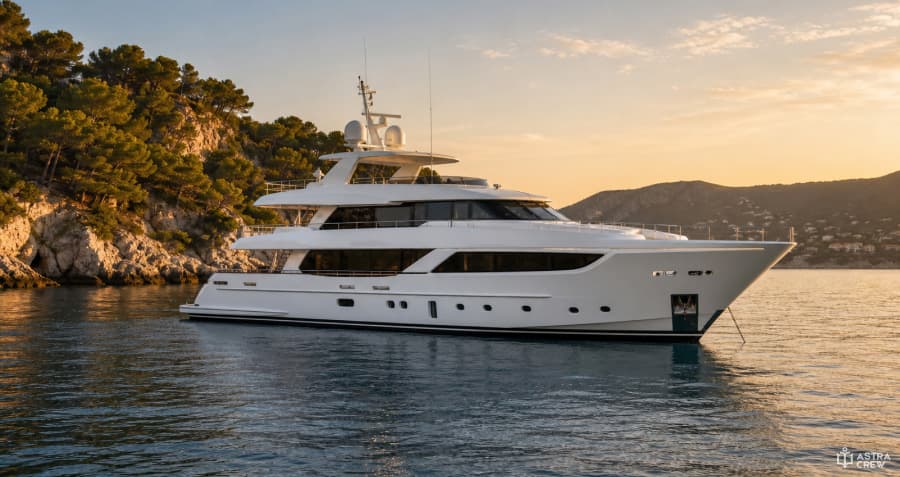
A private yacht is used by its owner and invited guests rather than offered for commercial charter. Its schedule may be more flexible, but working practices depend heavily on the owner's preferences, cruising plans and time on board.
Private yacht jobs may provide a steadier routine and more time for maintenance between trips. However, discretion, confidentiality and attention to personal preferences are essential. Employment terms should clearly explain duties, leave, rotation and expected availability.
Racing Yacht
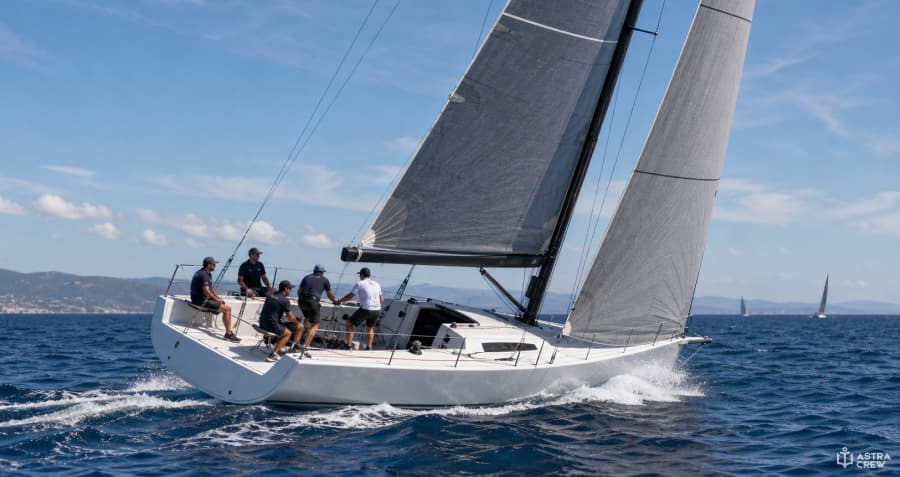
A racing yacht is optimized for competitive sailing. Low weight, advanced sail plans and performance-focused equipment allow high speeds, while accommodation and guest comfort may be secondary to racing efficiency.
Racing yacht crew require excellent fitness, precise teamwork and advanced sailing skills. Work may involve training, regattas, rapid sail changes and intensive maintenance. Racing experience is usually more important than luxury hospitality experience.
Classic Yacht
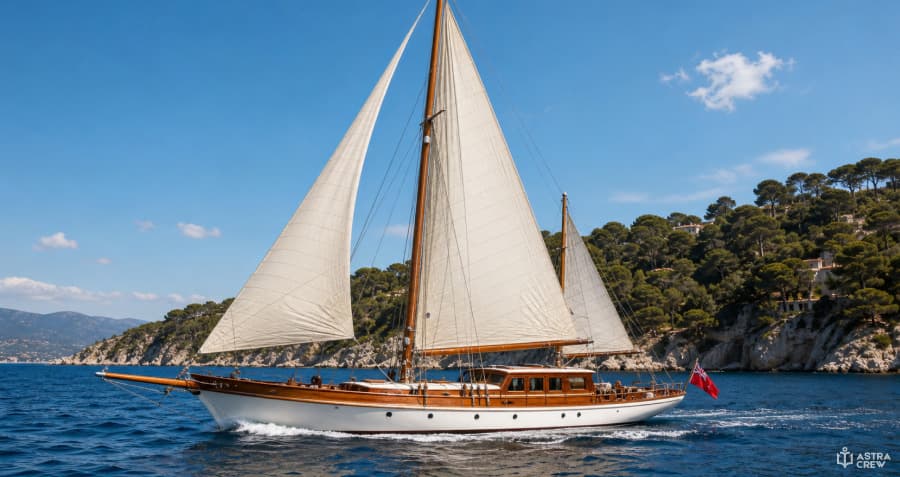
A classic yacht is valued for traditional design, heritage and craftsmanship. It may be an original historic vessel or a modern yacht built in a classic style. Timber, varnished finishes, traditional rigging and carefully preserved details often define its character.
Classic yacht crew need patience and strong maintenance skills. Varnish, woodwork, polished metal and traditional deck equipment demand constant care. Knowledge of classic sailing techniques can be valuable, while interior service must respect the vessel's distinctive style.
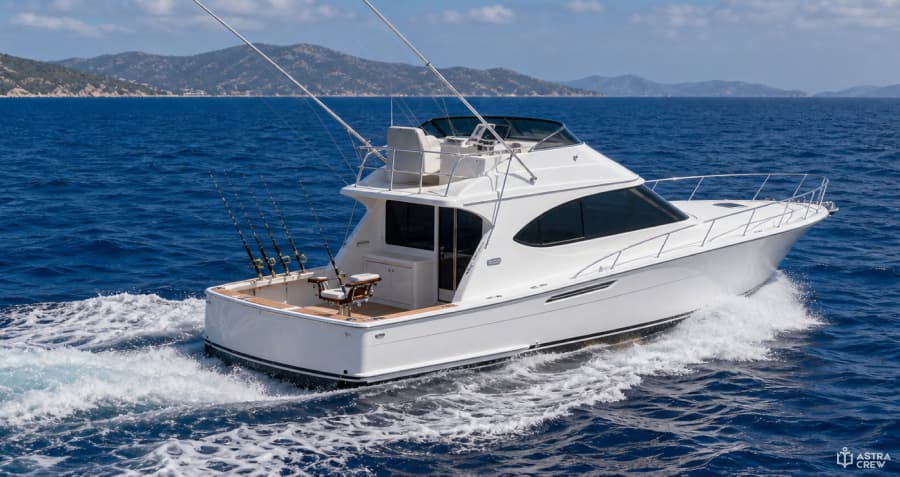
Sportfishing Yacht
A sportfishing yacht is designed for offshore recreational fishing. It commonly features an open cockpit, fishing chairs, rod storage, live-bait systems and a flybridge with good visibility. Powerful engines help the vessel reach fishing grounds quickly.
Crew may combine navigation, engineering, deck work and specialist fishing duties. Knowledge of tackle, bait preparation, catch handling and local fishing regulations is useful. Safety is critical because deck operations continue around hooks, lines and moving equipment.
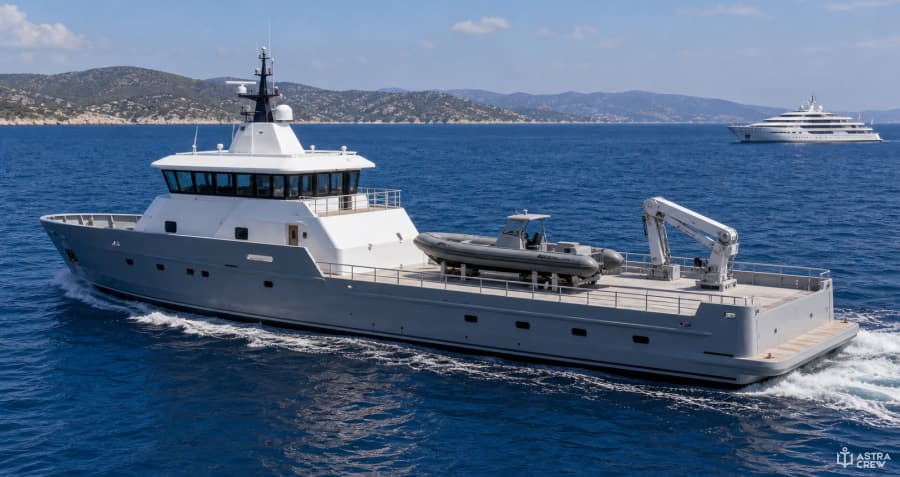
Yacht Support Vessel
A yacht support vessel carries equipment, tenders, water toys, aircraft, supplies or additional personnel for a larger yacht. Moving bulky equipment away from the main yacht creates more guest space and expands the range of operations.
Support vessel jobs are often operational and technical. Deck crew may handle cranes, tenders, submarines or diving equipment, while engineers maintain heavy systems. Commercial-vessel experience can be relevant, but crew must also understand the service expectations of the yacht industry.
How to Choose the Right Yacht Type for Your Career
There is no single best type of yacht for every seafarer. A candidate who enjoys engineering complexity may prefer a motor yacht, megayacht or support vessel, while an experienced sailor may feel more comfortable on a sailing yacht, catamaran, trimaran or racing yacht. Those interested in hospitality may find charter yacht and superyacht jobs especially attractive.
Before applying, compare your sea service, qualifications and preferred working style with the vessel's operating profile. Keep your maritime CV and certificates current, verify the employer and review the contract carefully. A complete profile on Astra Crew can help recruiters understand your experience and match you with relevant yacht crew vacancies.
Find yacht jobs that match your experience
Create your seafarer profile on Astra Crew to show recruiters your rank, sea service, certificates, and yacht experience. A complete profile helps employers match you with suitable opportunities on motor yachts, sailing yachts, catamarans, superyachts, charter yachts, and support vessels.