The Most Dangerous and Safest Types of Ships | Astra Crew Maritime Recruitment
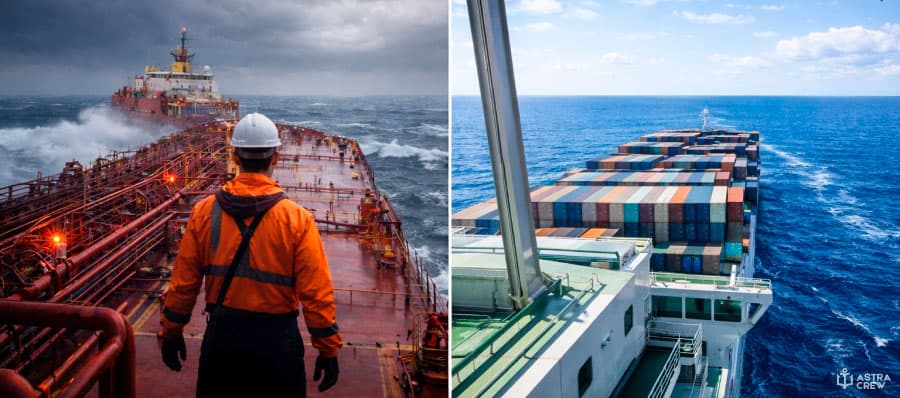
Choosing the right type of vessel is one of the key factors that directly affects a seafarer’s safety, stress level, physical workload, and overall comfort during a voyage. Although working at sea always involves a certain level of risk, different types of ships create fundamentally different working conditions. Some require constant concentration and handling of hazardous cargo, while others are considered more stable and predictable.
Understanding these differences is especially important when choosing a first contract, changing fleet type, or planning a long-term maritime career.
What Determines the Level of Risk on a Ship
The danger associated with a vessel is not determined only by weather conditions or distance from shore. The primary factors influencing risk include the type of cargo carried, the intensity of operations, the complexity of onboard systems, the frequency of port calls, and the crew’s working schedule. The more of these factors combine, the higher the likelihood of accidents, injuries, and professional burnout.
This is why the same seafarer may feel relatively comfortable on one type of vessel and experience constant pressure on another.
The Most Dangerous Types of Ships
The tanker fleet is traditionally considered one of the most dangerous segments of commercial shipping. Work on oil, gas, and chemical tankers involves transporting explosive and toxic cargo, where even a minor mistake can lead to serious consequences. Crew members constantly operate complex cargo systems, pipelines, pumps, and inert gas systems. High pressure, vapors, and strict safety procedures demand maximum discipline and experience.
Chemical tankers are similar to oil tankers but are often considered even more complex. A single vessel may carry several different chemical substances, each with its own characteristics and handling requirements. The danger lies in hidden risks—leaks and fumes are not always immediately visible, and their effects may appear later.
The offshore fleet also belongs to the most challenging and hazardous categories. These vessels operate near offshore platforms, in unstable weather conditions, and under constant maneuvering. Dynamic positioning, platform approaches, and heavy equipment operations create significant physical and mental strain on the crew. Even with advanced technology, the human factor remains critical.
Fishing vessels are often underestimated in terms of risk. In reality, the fishing fleet is considered one of the most injury-prone sectors of the maritime industry. Heavy manual labor, slippery decks, long working hours, and, in many cases, outdated vessels significantly increase the risk of accidents.
The Safest Types of Ships
Cruise ships are considered among the safest vessels from a technical perspective. Modern cruise liners are built in accordance with strict international standards, undergo regular inspections, and are equipped with advanced medical facilities. Routes are usually stable, and serious emergencies are rare. While service staff may face high workloads, the overall risk to life is relatively low.
Container ships are often viewed as one of the most balanced options for seafarers. Their main advantage is minimal direct contact with cargo and a high level of automation. Cargo operations are standardized, and most risks are controlled by port authorities. Long voyages and predictable routes contribute to a calmer working environment, although the work can be monotonous.
Bulk carriers, or dry cargo vessels, occupy an intermediate position. Their systems are relatively simple, and the cargo typically does not pose chemical or explosive hazards. The main risks are associated with loading and unloading operations, dust exposure, and hatch maintenance. Overall, work on bulk carriers is considered stable and straightforward.
Car carriers are among the safest types of vessels. The cargo is standardized, port operations are quick, and the ships themselves are often modern and well equipped. Fire safety is a key concern, but strict regulations significantly reduce the likelihood of serious incidents.
Which Type of Ship Should You Choose
The choice of vessel type depends largely on a seafarer’s career goals. High-risk and technically complex vessels such as tankers, chemical carriers, and offshore ships usually offer higher salaries but require experience and strong stress resistance. Safer vessel types are better suited for newcomers, long-term careers, and those who value stability and predictable working conditions.
It is important to consider not only income but also physical workload, contract duration, and the overall impact of the job on quality of life.
Conclusion
The type of vessel defines not only the level of risk but also the overall experience of working at sea. A conscious and informed choice helps reduce the likelihood of injuries, avoid professional burnout, and build a sustainable maritime career. Before signing a contract, seafarers should always consider the fleet type, routes, and real working conditions on board.
Astra Crew is an international maritime platform where seafarers and companies connect directly, based on transparent information and real working conditions.
Jobs for seafarers:
https://astra-crew.com/vacancies
Candidates for maritime companies:
https://astra-crew.com/vacancies/candidates