Seafarer Contract Types: What Should a Beginner Choose? | Astra Crew Maritime Recruitment
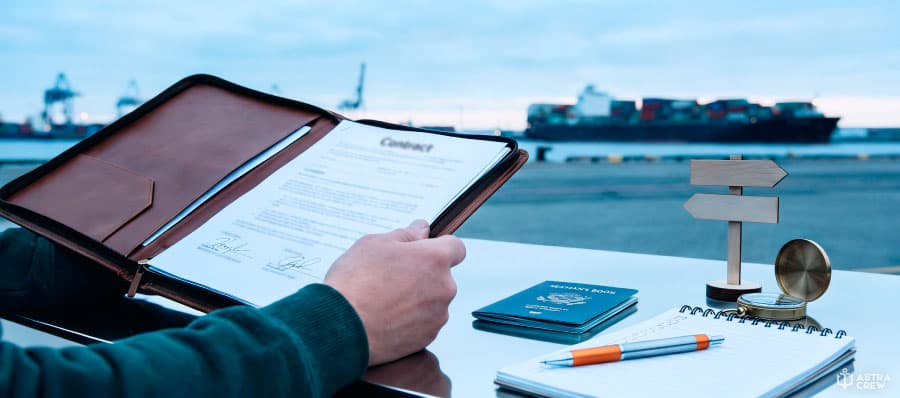
Starting a maritime career is not only about choosing the right vessel type but also about understanding different seafarer contract types. A seafarer contract defines your working period on board, salary structure, leave schedule, insurance coverage, and long-term employment prospects. For beginners, choosing the right contract format can significantly impact professional development, income stability, and work-life balance.
Understanding the differences between fixed-term contracts, rotational contracts, direct contracts with shipowners, and crewing agency agreements is essential before signing your first maritime employment agreement.
Why Understanding a Seafarer Contract Is Critical
Many new seafarers focus primarily on salary when evaluating job offers. However, the terms of a seafarer contract include much more than just monthly wages. Important factors include contract duration, payment structure, overtime compensation, working hours, rest periods, repatriation conditions, medical insurance, and re-employment guarantees.
When reviewing a maritime contract, beginners should carefully examine contract duration, salary breakdown including basic wage and bonuses, insurance and medical coverage, repatriation policies, leave arrangements, and conditions for contract extension or renewal.
A poorly chosen contract can lead to long periods between voyages, financial instability, or burnout due to excessive workload.
Fixed-Term Seafarer Contract
The fixed-term seafarer contract is the most common type of employment in commercial shipping. This contract usually lasts between 3 and 9 months, depending on vessel type, rank, and company policy. For most cadets and junior officers, the fixed-term contract becomes their first seafarer contract.
A fixed-term contract provides a clearly defined employment period and structured working conditions. It allows new seafarers to gain practical sea experience, accumulate sea time required for certification upgrades, and understand onboard routines.
Advantages of a fixed-term contract include clear duration, defined salary structure, opportunity to build sea time, and relatively straightforward legal terms. Disadvantages include no guaranteed immediate follow-up contract, possible delays in crew change operations, and uncertainty between voyages.
For beginners entering the maritime industry, a fixed-term contract is typically the safest and most realistic starting option.
Rotational Seafarer Contract
A rotational contract follows a predefined schedule such as 2 months on board followed by 2 months off, or 3 months on and 3 months off. This format is more common in offshore operations, specialized vessels, and some large shipping companies with stable crew management systems.
Rotational contracts provide greater work-life balance and long-term employment predictability. Seafarers know exactly when they will return home and when they are scheduled to join the vessel again.
Advantages include predictable rotation schedule, improved mental and physical recovery, stronger employment continuity, and better long-term career planning. Disadvantages include stricter performance requirements, higher entry barriers for inexperienced seafarers, and limited availability in entry-level positions.
While rotational contracts are attractive, most beginners need to build experience under fixed-term contracts before transitioning to rotation-based employment.
Crewing Agency Contract
Many new seafarers obtain employment through a crewing agency. In this case, the seafarer signs a contract facilitated by a crewing company that manages recruitment for shipowners.
Crewing agencies assist with document verification, STCW certification compliance, medical checks, travel arrangements, and communication with the shipping company. For beginners without direct industry contacts, crewing agencies provide access to multiple vessel types and international employers.
Advantages include document support, access to various maritime job offers, structured onboarding, and career guidance. Disadvantages may include limited transparency in some agencies, dependency on available vacancies, and potential gaps between contracts.
For a beginner searching for maritime jobs, working through a reputable crewing agency is often the most accessible path to signing a first seafarer contract.
Direct Contract with Shipowner
A direct contract with a shipowner means the seafarer is hired without an intermediary agency. This employment structure typically provides stronger long-term career opportunities, internal promotions, and company loyalty benefits.
Advantages include stable employment relationship, transparent salary negotiations, long-term cooperation, and clearer promotion pathways. Disadvantages include higher entry requirements, need for recommendations, and more selective recruitment procedures.
Direct contracts are generally more accessible after gaining experience and demonstrating professional reliability.
Project-Based and Offshore Contracts
In offshore and specialized maritime sectors, project-based contracts are common. These contracts may last several weeks or a few months and often involve high-intensity operations.
Such contracts can offer higher day rates and rapid income accumulation. However, they typically require specialized training, offshore certifications, dynamic positioning experience, or technical qualifications.
For beginners, project-based maritime contracts are rarely the first step but may become an option later in their maritime career.
How to Choose Your First Seafarer Contract
When evaluating your first maritime contract, consider contract duration, vessel type, company reputation, salary structure including overtime, opportunity for contract renewal, career advancement potential, and onboard living conditions.
New seafarers should prioritize stability and professional development over short-term financial gain. Gaining sea time, building references, and establishing a reputation in the maritime industry are more valuable during the early stages of a career.
The right first contract sets the foundation for officer promotion, salary growth, and long-term employability.
Conclusion
Understanding different seafarer contract types is essential for building a sustainable maritime career. Fixed-term contracts are the most common entry-level option, rotational contracts provide long-term stability, direct contracts with shipowners offer career continuity, and project-based contracts deliver higher short-term income.
Making an informed decision about your seafarer contract reduces career risks, increases job satisfaction, and strengthens your position in the global maritime job market.
If you are searching for maritime jobs, planning to sign your first seafarer contract, or looking to transition to a better employment format, you can find verified maritime vacancies through Astra Crew. The platform connects seafarers with international shipping companies and helps you choose the right contract for your career goals.
Start Your Maritime Career Today
Explore available maritime job opportunities and sign your next seafarer contract through Astra Crew:
https://astra-crew.com/vacancies