Cybersecurity in the Maritime Industry: Protecting Ships, Ports, and Logistics | Astra Crew Maritime Recruitment
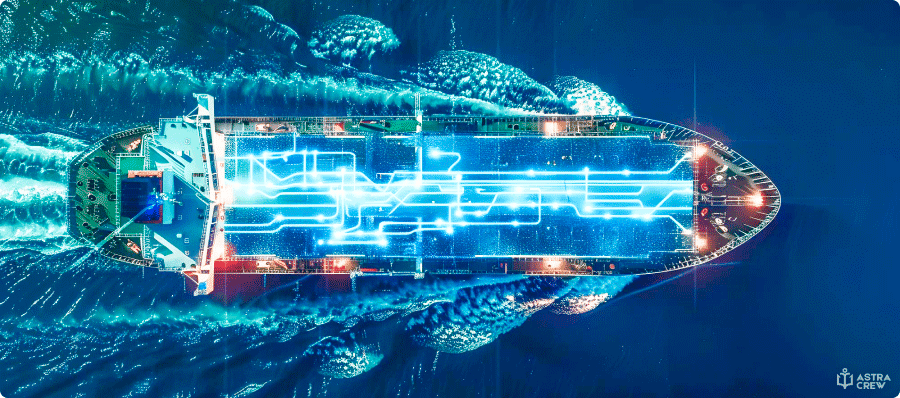
The Modern Maritime Industry Is Undergoing a Digital Transformation
Navigation systems, ship automation, cargo management, and port communication depend on information technology. However, with growing digitalization, cyber threats also increase: hacking attacks, viruses, phishing, and system breaches can lead to disruptions, financial losses, and crew safety risks. Cybersecurity in the maritime industry has become an integral part of strategic management. Companies must protect not only equipment and data but also train personnel in digital safety practices.
Main Cybersecurity Threats in the Maritime Industry
Hacking of Navigation and Ship Systems
Modern vessels are equipped with GPS, ECDIS, automated engine control, and communication systems. Hackers can interfere with navigation, alter routes, or block critical systems, potentially causing accidents or shipment delays. Examples of attacks include GPS signal manipulation and interference with ship control systems, which can disorient the crew and endanger passenger and cargo safety.
Attacks on Ports and Logistic Networks
Ports use digital platforms for berth allocation, cargo handling, and container tracking. Cyberattacks can disrupt port schedules, cause vessel delays, and result in financial losses. Moreover, disruption of digital logistics systems can paralyze supply chains, affecting international trade and delivery timelines.
Data Theft and Privacy Breaches
Maritime companies process crew personal data, cargo, and route information. Insufficient data protection can lead to leaks, financial, and reputational losses. Phishing, database breaches, and malware are major privacy threats. Companies must implement encryption systems and strict access protocols for critical data.
Consequences of Cyber Threats in the Maritime Industry
- - Disruption of ship systems and transport delays
- - Financial losses and penalties
- - Reputational damage for shipowners and companies
- - Safety threats to crew and passengers
- - Compliance issues with international safety standards
Protection Strategies and Best Practices
Crew and Staff Training
The human factor remains the most vulnerable link. Seafarers and personnel should be trained in cybersecurity basics:
- - Proper password and authentication use
- - Recognizing phishing emails and suspicious links
- - Incident response procedures Regular training and cyberattack simulations help crews respond quickly and effectively in critical situations.
Modern Protection Technologies
Companies use antivirus software, data encryption, firewalls, intrusion detection systems, and multi-layered security protocols.
- - Data encryption protects confidential cargo and crew information
- - Monitoring systems detect unusual activity and prevent attacks
- - Secure cloud solutions reduce data leak risks
Regular Audits and System Updates
Regular security audits, software updates, and vulnerability testing help detect and prevent potential threats in time.
- - Conducting internal and external audits
- - Setting up data backup and recovery systems
- - Ensuring compliance with international cybersecurity standards
The Role of Cybersecurity in Maritime Recruitment
Maritime recruitment companies must consider cyber threats when selecting crew members. It is important that professionals:
- - Have basic knowledge of digital ship systems
- - Understand cyberattack risks
- - Receive regular cybersecurity training Integrating modern protection technologies into the hiring process builds client trust and ensures vessel and port stability.
Cybersecurity Development Prospects in the Maritime Sector
As digitalization grows, the need for cyber protection will continue to rise. International organizations and maritime companies are actively developing standards and recommendations to safeguard ships and ports from digital threats.
- - Implementation of AI-based systems for cyber threat monitoring
- - Creation of training programs for crew and port employees
- - Development of international cyber incident response protocols
Conclusion
Cybersecurity is becoming a key element of the maritime sector. Shipowners, ports, and recruitment companies must protect digital systems, train crews, and use modern technologies.
Effective cyber protection minimizes risks, ensures safe transportation, and maintains the stable operation of the maritime industry — increasing both client trust and crew safety.